


-

ETL Safety Certified
Tested to UL Standards for Reliable, Worry-Free Operation
-

Energy Star Certified
Engineered for Efficiency — Save Up to 10% on Energy Costs
-

2-Year Limited Warranty
Built to Last, Backed by a 100% Satisfaction Guarantee


-
100-Pint Home Dehumidifier | 5,500 Sq. Ft. Coverage | ENERGY STAR® Certified
Regular price $209.99 USDRegular priceUnit price per$359.99 USDSale price $209.99 USDSale -
120 Pints Home Dehumidifier | 6,500 Sq. Ft. Coverage | ENERGY STAR Most Efficient 2023
Regular price $309.99 USDRegular priceUnit price per$435.99 USDSale price $309.99 USDSale -
120-Pint Home Dehumidifier | 6,000 Sq. Ft. Coverage | ENERGY STAR Dehumidifier
Regular price $309.99 USDRegular priceUnit price per$459.99 USDSale price $309.99 USDSale -
150 Pints Home Dehumidifier with Pump | 7,000 Sq. Ft. Coverage | ENERGY STAR Dehumidifier
Regular price $505.99 USDRegular priceUnit price per$505.99 USDSale price $505.99 USD -
150 Pints Home Dehumidifier | 7,000 Sq. Ft. Coverage | ENERGY STAR Dehumidifier
Regular price $419.99 USDRegular priceUnit price per$419.99 USDSale price $419.99 USD -
150 Pints Large Dehumidifier | 7,500 Sq. Ft. Coverage | ENERGY Efficient
Regular price $299.99 USDRegular priceUnit price per$539.99 USDSale price $299.99 USDSale -
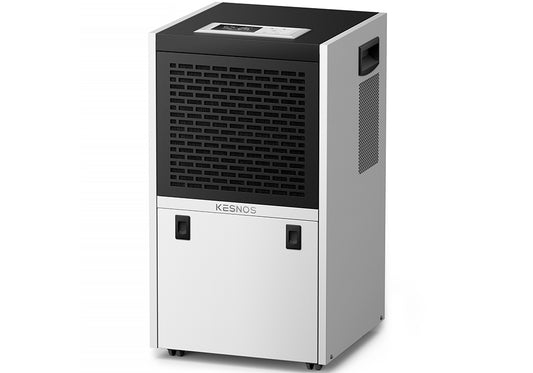
155 Pint Commercial Dehumidifier with 6.56ft Drain Hose and 1.32 Gallon Water Tank for Basement
Regular price $459.99 USDRegular priceUnit price per$799.99 USDSale price $459.99 USDSale -
155 Pints Commercial Dehumidifier with Pump & Drain Hose – For Spaces Up to 7,500 Sq. Ft. – Ideal for Basements & Industrial Use
Regular price $599.99 USDRegular priceUnit price per$599.99 USDSale price $599.99 USD -
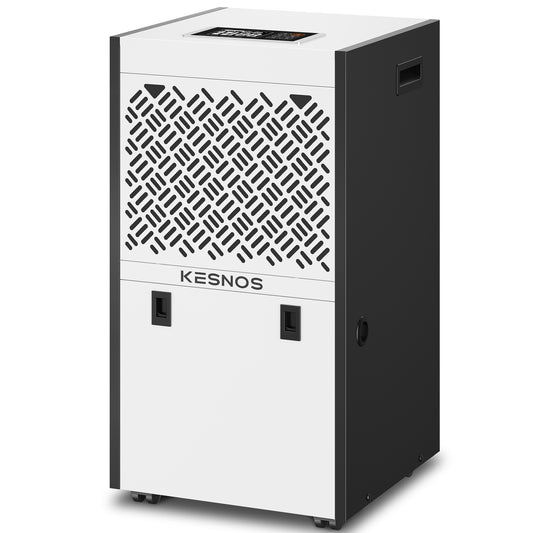
155 Pints Large Dehumidifier for Space up to 8000 Sq. Ft - Commercial Dehumidifier for Basement
Regular price $459.99 USDRegular priceUnit price per$739.99 USDSale price $459.99 USDSold out -
158 Pints Large Commercial Dehumidifier with Pump and Drain Hose for Spaces up to 7500 Sq. Ft.
Regular price $499.99 USDRegular priceUnit price per$699.99 USDSale price $499.99 USDSale -
216 Pints Commercial Dehumidifier with Pump & Drain Hose – 24 Hr Timer for Spaces Up to 8,500 Sq. Ft. – Ideal for Basements & Industrial Use
Regular price $599.99 USDRegular priceUnit price per$789.99 USDSale price $599.99 USDSale -
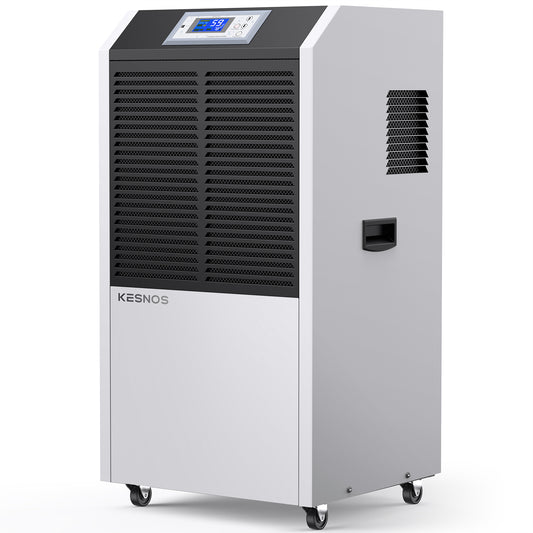
232 Pints Commercial Dehumidifier for Up to 8,000 Sq. Ft. - Ideal for Basements and Industrial Use
Regular price $599.99 USDRegular priceUnit price per$1,399.99 USDSale price $599.99 USDSold out -

2500 Sq. Ft Large Dehumidifier for Home and Basement with 6.56ft Drain Hose for Home Dehumidifier
Regular price $169.99 USDRegular priceUnit price per$239.99 USDSale price $169.99 USDSale -
34 Pints Home Dehumidifier | 2,000 Sq. Ft. Space | Water Tank & Hose Included | Basement Dehumidifier
Regular price $199.99 USDRegular priceUnit price per$239.99 USDSale price $199.99 USDSale -
50 Pints Home Dehumidifier |4,500 Sq. Ft. Coverage | ENERGY STAR
Regular price $169.99 USDRegular priceUnit price per$212.99 USDSale price $169.99 USDSale -
80 Pints Home Dehumidifier | 5,000 Sq. Ft. Coverage | ENERGY STAR Most Efficient 2025
Regular price $219.99 USDRegular priceUnit price per$299.99 USDSale price $219.99 USDSold out


We understand the impact that excessive moisture can have on building structures and on the health of occupants. For years, we have focused on solving challenging humidity problems and building a trusted dehumidifier brand that customers truly love.
Upgraded Sleek Design:Compact and stylish, ideal for bathrooms, basements, homes, and more. The smart 50 pints dehumidifier is recognized as ENERGY STAR Most Efficient 2024.Smart Automatic Operation:– Features auto defrost, 24-hour timer, power outage restart, and filter clean reminder. Three fan speeds, child lock, and user-friendly controls ensure simple operation.
We understand the impact that excessive moisture can have on building structures and on the health of occupants. For years, we have focused on solving challenging humidity problems and building a trusted dehumidifier brand that customers truly love.
Portable & Industrial Design:Sleek look with hidden easy-roll wheels and recessed handles for effortless mobility. Auto Restart after power outages and Auto Defrost prevent coil icing.Smart Humidity Control:Digital touch panel allows easy operation. Set your desired humidity, and the unit maintains it automatically. 24-hour timer reduces energy usage with scheduled operation.

